
Gambling and Crypto Prices are now tightly connected in modern online betting environments. As digital assets become mainstream, crypto gambling platforms continue to grow rapidly. At the same time, faster deposits, instant gameplay, and volatile markets raise concerns about addiction risks. This article analyzes how speed, accessibility, and price movements increase psychological pressure on players, while also explaining why crypto gambling addiction can develop faster than traditional online betting.
Unlike classic casinos, crypto gambling relies on instant crypto transactions. As a result, players often lose the natural pause that once limited spending. Therefore, understanding these risks is essential for responsible decision-making.
Gambling and crypto prices prediction and player behavior
How market expectations affect gambling psychology
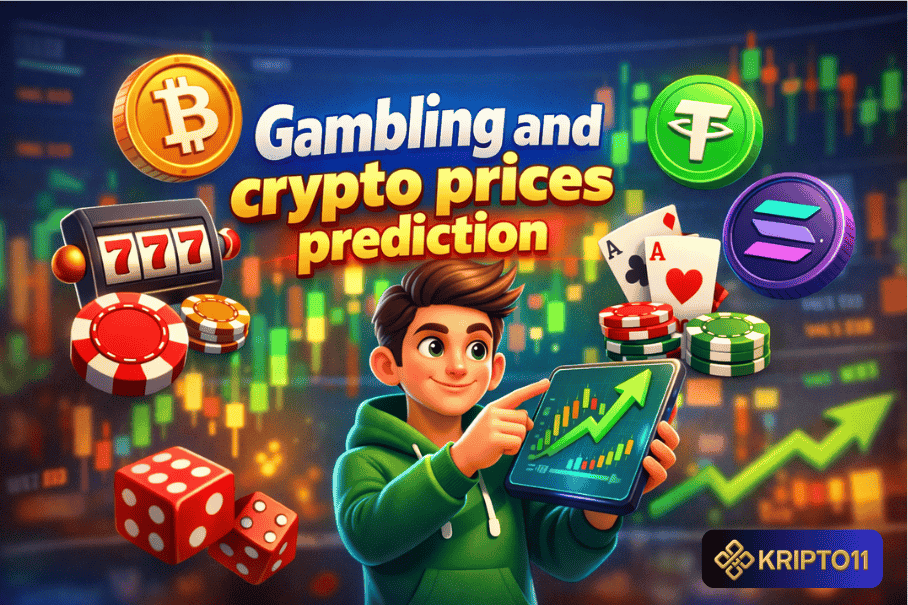
Gambling and crypto prices prediction plays a strong psychological role in player behavior. Many users believe future price increases will offset gambling losses. Consequently, they feel more confident placing larger bets using Bitcoin, USDT, or Solana. This mindset reduces perceived risk, even when losses accumulate.
In many cases, players treat gambling funds as “temporary.” Because crypto prices fluctuate, losses are often viewed as unrealized rather than final. As a result, risky behavior increases over time.
Faster transactions remove emotional brakes
Traditional gambling required time for deposits or withdrawals. However, crypto transaction systems operate instantly.
Wallets such as TonKeeper, Coinbase wallet, and Trust wallet allow immediate transfers. Therefore, players can move funds within seconds.
This speed changes emotional control. Instead of reflecting on losses, users can immediately chase them. Over time, impulse control weakens. Moreover, the mobile crypto wallet experience allows betting anywhere, which further increases exposure.
Speed of play and deposits in crypto gambling platforms
In addition, the absence of spending checkpoints makes self-control more difficult. When deposits happen instantly, players rarely reassess their decisions between bets. Therefore, gambling sessions extend longer than intended. This effect becomes stronger on mobile devices, where access remains constant throughout the day.
Furthermore, rapid balance updates create a false sense of control. Seeing funds change in real time encourages players to react emotionally rather than strategically. As a result, betting decisions are driven by short-term feelings instead of rational planning. Over time, this pattern increases vulnerability to compulsive behavior, especially among inexperienced users who underestimate the impact of speed.
Instant deposits and continuous gameplay loops
Crypto gambling platforms are designed for speed. Once funds arrive, games start immediately. There are no banking delays, approval steps, or spending limits by default. As a result, continuous gameplay becomes normal.
In addition, Telegram mini app casinos remove barriers even further. Players open an app, connect a wallet, and start betting within moments. This seamless flow encourages repeated sessions throughout the day.
Mobile-first design increases addiction risk
Mobile access significantly increases gambling frequency. A mobile crypto wallet stays connected at all times. Therefore, temptation remains constant. Notifications, bonus alerts, and quick-play buttons reinforce impulsive behavior.
Although these systems were built for convenience, the side effect is higher addiction risk. Over time, emotional dependence may develop. Crypto gambling addiction often appears subtly, masked by the excitement of fast rewards.
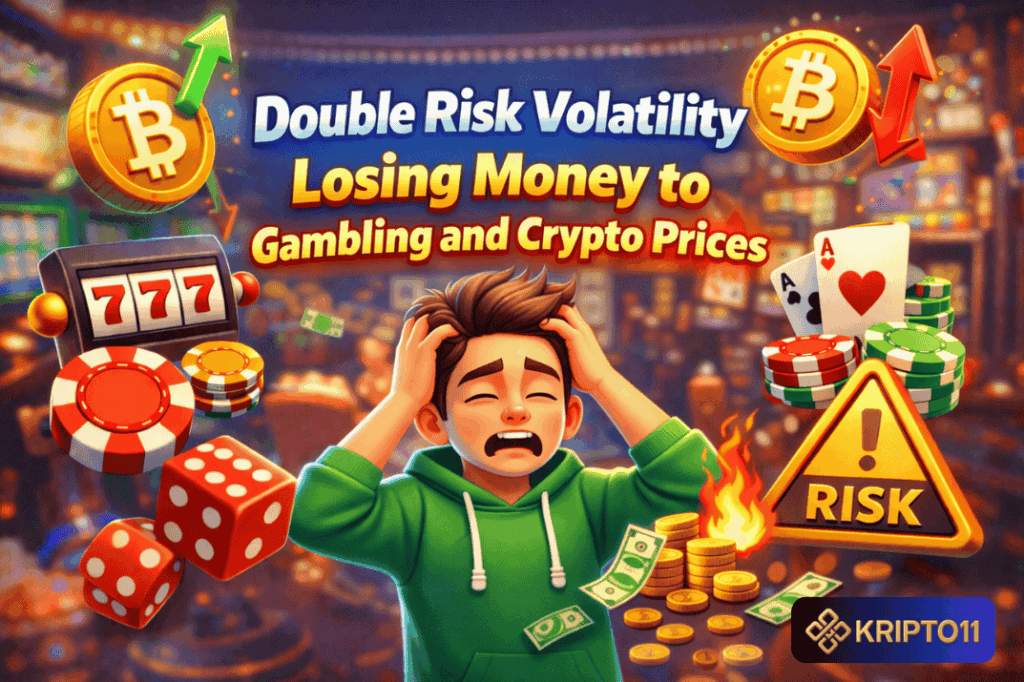
Gambling and Crypto Prices volatility as a double risk
Another concern emerges when market volatility overlaps with gambling losses. Players often monitor charts while betting, which reinforces emotional reactions to price movement. When values decline, urgency increases, pushing players to recover losses quickly. Conversely, rising prices create optimism that encourages higher stakes.
This constant comparison between wins, losses, and market value distorts financial judgment. Instead of viewing gambling as entertainment, players treat it as part of a broader risk strategy. Consequently, financial boundaries blur. This behavior strengthens dependency, as decisions become tied to both market sentiment and gambling outcomes rather than personal limits.
Price swings amplify emotional gambling decisions
Gambling and Crypto Prices volatility introduces a second layer of risk. Players are exposed not only to game outcomes but also to market fluctuations.
When prices rise, confidence increases. When prices fall, stress and urgency appear.

This emotional rollercoaster affects decision-making. Players may gamble more aggressively during market drops to recover perceived losses. Meanwhile, during price rallies, overconfidence leads to higher stakes.
Losses feel abstract until they compound
Crypto values change constantly. Therefore, losses often feel abstract. A player may lose tokens today but hope their value will recover tomorrow. This belief delays responsible actions such as stopping or withdrawing.
Over time, losses compound across both gambling outcomes and price declines. Unfortunately, this dual exposure accelerates financial harm. Traditional gambling lacks this extra volatility layer, making crypto gambling uniquely risky.
FAQs about crypto gambling addiction risks
Is crypto gambling more addictive than traditional gambling?
Yes. Faster deposits, instant gameplay, and constant access increase Bitcoin addiction risk significantly.
Do crypto prices affect gambling behavior?
Yes. Market volatility influences confidence, risk-taking, and emotional decisions.
Are mobile wallets linked to higher gambling frequency?
Yes. Mobile crypto wallet access allows gambling anytime, increasing exposure.
Can stablecoins like USDT reduce addiction risk?
Not necessarily. Speed and convenience still encourage impulsive betting.
How can players reduce crypto gambling addiction risks?
Setting limits, taking breaks, and tracking spending help reduce harm.




Pingback: Real Benefits of Online Sports Betting Sites - KRIPTO11