
If you live on your phone and move Bitcoin, Solana, Ethereum, XRP or USDT every day, your wallet is not “just an app” – it is your mobile command center. This First blockchain wallet review looks at how real mobile usage feels on iOS and Android: paying by QR, signing DeFi trades and checking NFT floor prices on the move, where every delay in UX, speed or network fees becomes instantly visible.
Because of this, the article looks at speed, QR scanning, gas fees, DeFi access, NFT support and basic crypto regulation issues that matter when you use your phone in the real world, every single day.
This guide focuses on daily drivers, not deep cold storage. Instead of listing every wallet, it compares the strengths of iOS for Daily Crypto and Android for Daily Crypto, then shows how to choose the right blockchain wallet setup for your lifestyle and risk profile.
Why a Mobile-First blockchain app Matters for Daily Crypto
A mobile-first Blockchain app is designed for the way you actually use your phone: one hand, quick swipes, and zero patience for slow loading screens. Therefore, a good mobile blockchain wallet does more than store private keys.
What a mobile-First blockchain wallet review should do
A real mobile-first wallet should:
- Open quickly, even on mobile data
- Show Bitcoin, Solana, Ethereum, XRP and USDT balances clearly
- Scan QR codes for payments in one or two taps
- Estimate network fees in real time
- Handle NFTs and DeFi connections without feeling like a desktop port
Moreover, the best apps feel “native” to your device. On iOS, the interface usually looks clean and minimal. On Android, you often get more granular controls, widgets and customisation.
Why UX and speed beat fancy features
You might love advanced DeFi or NFT tools. However, if the Blockchain app takes 15 seconds just to load, you will hate opening it in a queue at the café. As a daily user, you want:
- Fast launch: no long loading logo
- Clear actions: Send, Receive, Swap, Scan QR visible on the home screen
- Low friction: fewer taps between “open app” and “confirm transaction”
Because of this, you should always test your Crypto wallet in real daily situations: weak Wi-Fi, bright sunlight, low battery and one-hand usage.
iOS for Daily Crypto: Speed, UX and Security
On iPhone, iOS for Daily Crypto is all about polished UX and tight security controls. Many people prefer iOS because the system feels stable, predictable and smooth, even on older devices.
iOS UX: clean interfaces and predictable behaviour
Apple’s design guidelines push wallets to follow a similar layout. As a result, many iOS wallets:
- Use simple tab bars (Home, Tokens, NFTs, Browser, Settings)
- Offer smooth animations and consistent gestures
- Feel less cluttered compared with some Android alternatives
Moreover, Face ID and system-level password management make unlocking your blockchain wallet fast but still secure. You look at the screen, and the app is ready to go.
QR payments and notifications on iOS
For a mobile-first user, QR is crucial. Most good iOS wallets:
- Open the camera quickly from the main screen
- Detect addresses or payment links instantly
- Integrate share sheets to send addresses to messaging apps
However, iOS limits always-on background services more than Android. Therefore, some advanced notification or on-device node features that you see on Android may not exist, or they may work in a more restricted way.
Security and sandboxing on iOS
iOS uses strong sandboxing between apps. Because of this, Metamask wallet, Coinbase wallet or any other NFT blockchain wallet operates inside a tightly controlled environment. This does not guarantee safety, yet it reduces some kinds of malware risk.
However, you still need to:
- Verify every dApp connection
- Watch for phishing links in the in-app browser
- Keep iOS and your wallet updated
Even with a polished UX, human mistakes remain the biggest attack surface.
Android for Daily Crypto: Flexibility, Fees and Power Features
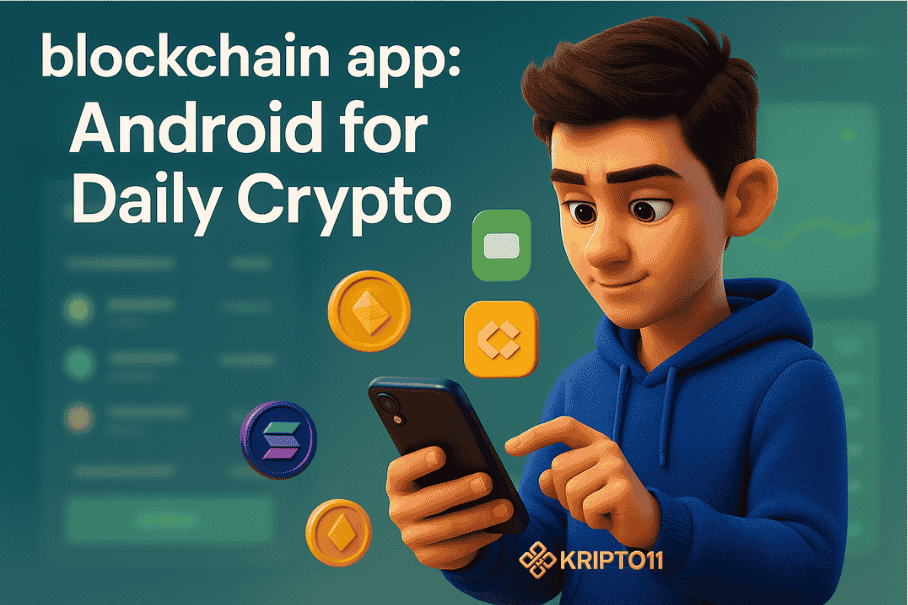
If you enjoy tweaking settings and exploring many wallet options, Android for Daily Crypto feels like a playground. Android offers more variety, more experimentation and sometimes more aggressive feature sets.
Android UX: more choice, more customisation
On Android, you can:
- Try many different wallet UIs and forks
- Use custom launchers and widgets to pin wallet functions
- Install apps that integrate deeper with system features
Because of this, some Android users place a blockchain wallet widget on the home screen to check Bitcoin, Solana and USDT balances at a glance. Moreover, certain wallets allow advanced fee control or alternative networks that some iOS builds do not expose as clearly.
QR scanning and hardware variety
Android devices come with a wide range of cameras and screens. In practice, this means:
- Some phones scan QR codes extremely fast
- Others struggle in low light or with older displays
Therefore, you should test your Blockchain app on your actual device, not just rely on reviews. Moreover, many Android phones support split screen, so you can keep a dApp open on one side while your wallet sits on the other, which is handy for DeFi or NFT trading.
Side-loading and security trade-offs
Android allows side-loading of apps and alternative stores. This freedom is powerful.
However, it also increases the chance of installing a fake wallet. To reduce that risk:
- Download wallets only from trusted platforms
- Verify publisher names and reviews carefully
- Avoid modified APKs promising “no fees” or “free Ethereum”
Crypto regulation cannot fully protect you from a bad install. You still need discipline. Still, when you manage security well, Android for Daily Crypto can deliver a very powerful mobile-first experience.
Coins, NFTs and DeFi: What Your Mobile Blockchain Wallet Must Handle
A serious Mobile-First Blockchain Wallet Review must consider what you actually hold. Most daily users do not keep just one coin anymore.
Multi-chain support for Bitcoin, Solana, Ethereum, XRP and USDT
Ideally, your wallet should let you manage:
- Bitcoin for long-term value and payments
- Ethereum for DeFi, NFTs and ERC-20 tokens
- Solana for fast, low-fee transfers and ecosystem apps
- XRP for cross-border payment use cases
- USDT for stable everyday transfers
Moreover, the wallet needs clear labels for each blockchain so that you do not send USDT on the wrong network by mistake.
DeFi and NFT features in a mobile-first wallet
If you use DeFi or NFTs on the go, look for:
- Built-in dApp browser or WalletConnect style connections
- Clear displays for gas fees before you sign
- Separate tabs for tokens and NFT blockchain wallet collections
Furthermore, some wallets, including Metamask wallet and Coinbase wallet, offer browser extensions plus mobile apps. When you use both, you can sign heavy DeFi transactions at your desk and still check balances or simple swaps from your phone.
Fees, speed and realistic daily habits
For everyday life, gas and network fees matter more than you think. Therefore:
- Use Solana or layer-2 networks for frequent small transfers
- Keep Ethereum for bigger DeFi actions where you expect higher fees
- Consider cheaper networks for NFTs you trade often
In short, your mobile wallet should make fee choices obvious, not hidden behind three menus and technical words.
Crypto Regulation, Safety Basics and Everyday Risk Management
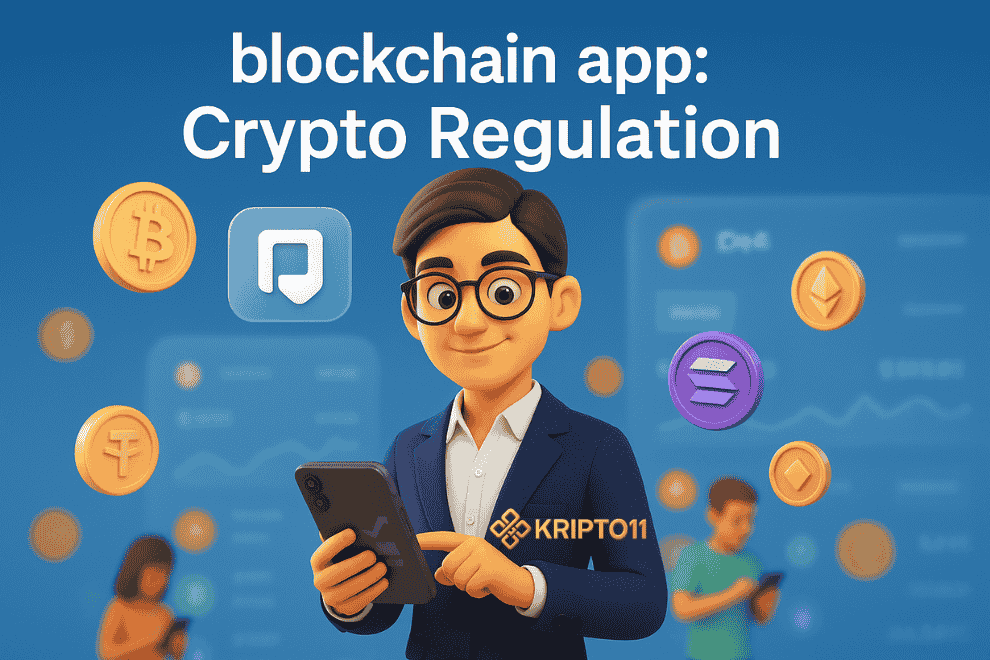
No matter which mobile OS you prefer, crypto regulation is now part of the game. While rules differ by country, the trend moves toward higher transparency, stronger KYC and more consumer protection.
How regulation affects your mobile wallet choices
Because of stricter crypto regulation, some wallets:
- Integrate with regulated exchanges for fiat on-ramps
- Add clearer risk warnings for DeFi and NFTs
- Provide tax reports or transaction exports
However, self-custodial wallets still give you full responsibility for keys. Regulations can target service providers, but they cannot fix a lost seed phrase or a signature on a scam contract.
Simple safety rules for mobile-first wallet users
To stay safer as a daily mobile user:
- Use separate wallets for fast spending and long-term holding
- Keep your seed phrase offline, never in screenshots or cloud notes
- Double-check addresses, especially when pasting from clipboard
- Be extra careful when a dApp asks for wide approvals
Moreover, remember that your phone itself is a risk surface. Therefore:
- Lock your device with a strong PIN or biometrics
- Avoid jailbreaking or rooting when real money is involved
- Turn on remote-wipe features in case your phone is lost
Your blockchain wallet is only as secure as the device and the person using it.
Mobile-First Blockchain Wallet Review FAQ
Is iOS or Android better for a Mobile-First Blockchain Wallet Review?
Both work well. iOS usually offers smoother UX and stronger sandboxing, while Android gives you more wallet choice and advanced features. Choose the platform that fits your habits and risk tolerance.
Can I use Metamask wallet and Coinbase wallet on both iOS and Android?
Yes. Metamask wallet and Coinbase wallet provide mobile apps for both systems. However, specific features or rollout timing can differ slightly between iOS for Daily Crypto and Android for Daily Crypto.
Which coins should my daily blockchain wallet support?
At minimum, look for support for Bitcoin, Ethereum, Solana, XRP and USDT. If you use DeFi wallet or NFTs, your wallet should also handle the chains where your favourite dApps and NFT collections live.
Are QR payments safe in a mobile blockchain wallet?
QR payments are convenient, and they can be safe when you verify the address, amount and network before confirming. However, always double-check details and avoid scanning codes from unknown or suspicious sources.
How do crypto regulation changes impact my mobile wallet?
Crypto regulation may affect how you buy, sell or off-ramp, and it can increase KYC checks in connected services. Nevertheless, your self-custodial mobile wallet still requires you to protect your seed phrase and manage your own security.


Pingback: Telegram Casino API Trends in Web3 Gaming - KRIPTO11.info
Pingback: Telegram Casino API vs Traditional Casino Systems - KRIPTO11
Pingback: Web3 Casino Games in Slots and Baccarat Trends - KRIPTO11
Pingback: Telegram Casino Token: Which Slots Actually Pay? - Kripto11: A Major USDT Cryptocurrency Trading Platform